
Professional workwear for women should support ambition without making daily dressing feel exhausting. A strong wardrobe creates calm before the workday begins. It gives you pieces that fit, repeat, and communicate clearly. Many women build work closets from emergency purchases. One blazer comes from an interview. One dress comes from a conference. One pair of shoes survives every meeting. The result may function, but it rarely feels strategic. A better system starts with the roles your clothes must perform. Then each piece earns its place. Your wardrobe becomes a working asset.
Workwear improves when it is organized by situation. You need pieces for ordinary office days. You need stronger looks for presentations. You need comfortable polish for travel. You need polished casual options for hybrid schedules. These categories make shopping easier. They also prevent overbuying the same item. A category system supports career wardrobe planning with purpose. Instead of chasing trends, you fill specific gaps. That approach creates more outfits from fewer pieces. It also keeps the wardrobe aligned with your real calendar.
Comfort is not separate from professionalism. Clothing that hurts, pinches, slips, or overheats changes how you move. It can also change how you participate. A waistband that fits well helps you sit confidently. Shoes that support your stride change your posture. Fabrics that breathe help during long days. These practical details shape visible confidence. They also reduce stress during demanding moments. Professional workwear for women should never punish the person wearing it. When comfort and polish meet, the result feels quietly powerful.
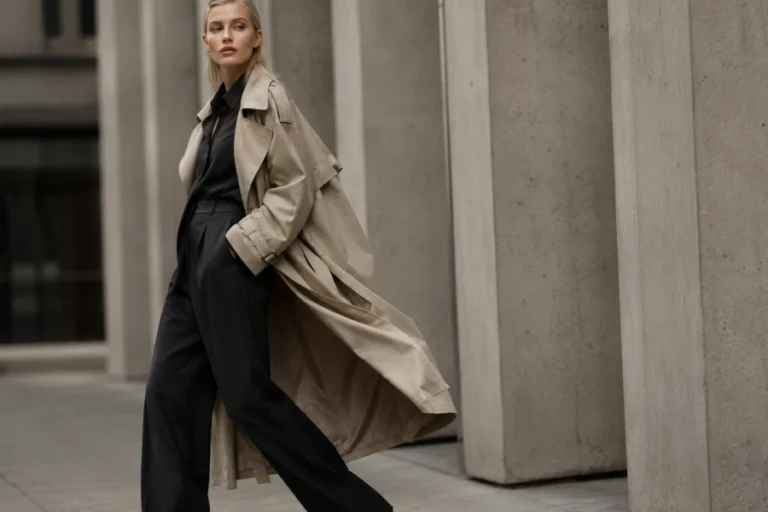
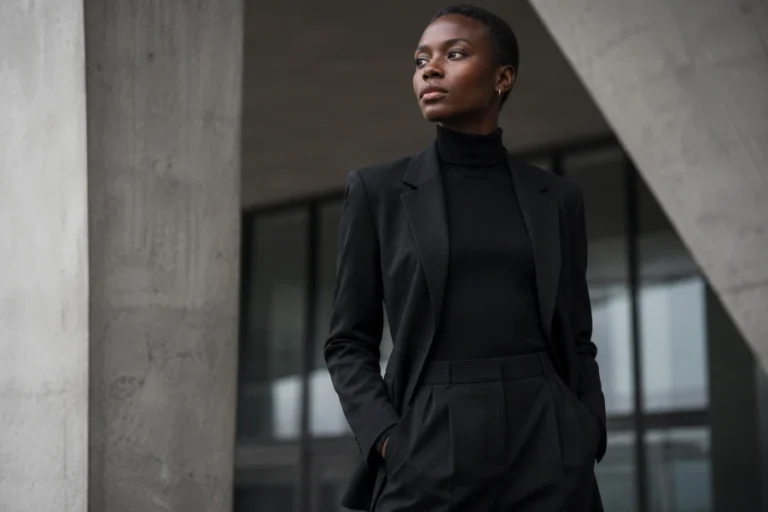
Layers help professional outfits adapt. A blazer can formalize a knit dress. A vest can sharpen a blouse. A coat can make the commute feel as polished as the meeting. Layering also supports changing temperatures. Offices, cars, airports, and conference rooms rarely cooperate. The best layers hold structure without bulk. They should look intentional when removed or added. This is why leadership outfits often depend on outer layers. They create visual authority before you reach the table. Smart layering makes the whole wardrobe more flexible.
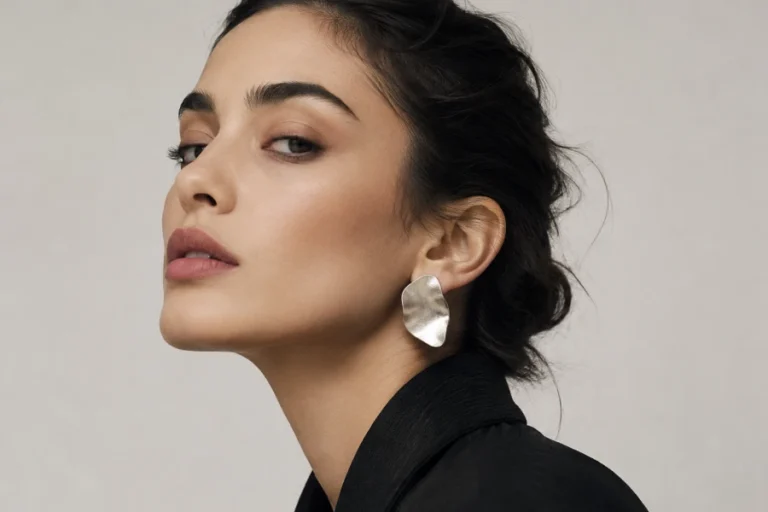
Hybrid work changed what professional clothing must do. Some days require camera-ready polish from home. Other days require commuting, meetings, and after-work obligations. Your wardrobe needs pieces that cross those settings smoothly. A refined knit can work on video and in person. Structured trousers can feel comfortable without looking casual. Earrings and collars matter more on screen. Shoes and outerwear matter more in person. Professional workwear for women now needs wider range. That range should still feel visually consistent. Cohesion keeps your style recognizable across different work modes.
A smaller work wardrobe can be more useful than a crowded one. Quality does not always mean luxury. It means a piece fits your body, schedule, and standards. Check the fabric in natural light. Sit down before deciding on trousers. Test whether a blazer works open and closed. Consider cleaning requirements before buying. This practical screening creates better meeting-ready outfits over time. You buy with intention instead of urgency. The result feels calmer, sharper, and easier to repeat.
Your wardrobe should not stay frozen at one career stage. Promotions, industry changes, and leadership opportunities all shift what clothing must communicate. Professional workwear for women should evolve as responsibility grows. You may need better tailoring. You may need stronger coats. You may need travel pieces that resist wrinkles. You may need fewer novelty items and more reliable foundations. These changes do not require abandoning personal style. They require refining it. A strong work wardrobe makes growth visible without announcing it too loudly. That quiet evolution often looks the most confident.

Leave a comment